
What is Travertine? The Complete Guide to the Natural Stone
Travertine is everywhere right now — in the magazines, in the design stores, on the most beautiful tabletops on Instagram. But the stone is anything but a passing trend: the Romans built the Colosseum from it. Here is everything you need to know about the natural stone that has travelled from ancient baths to the modern, calm home.
What is travertine?
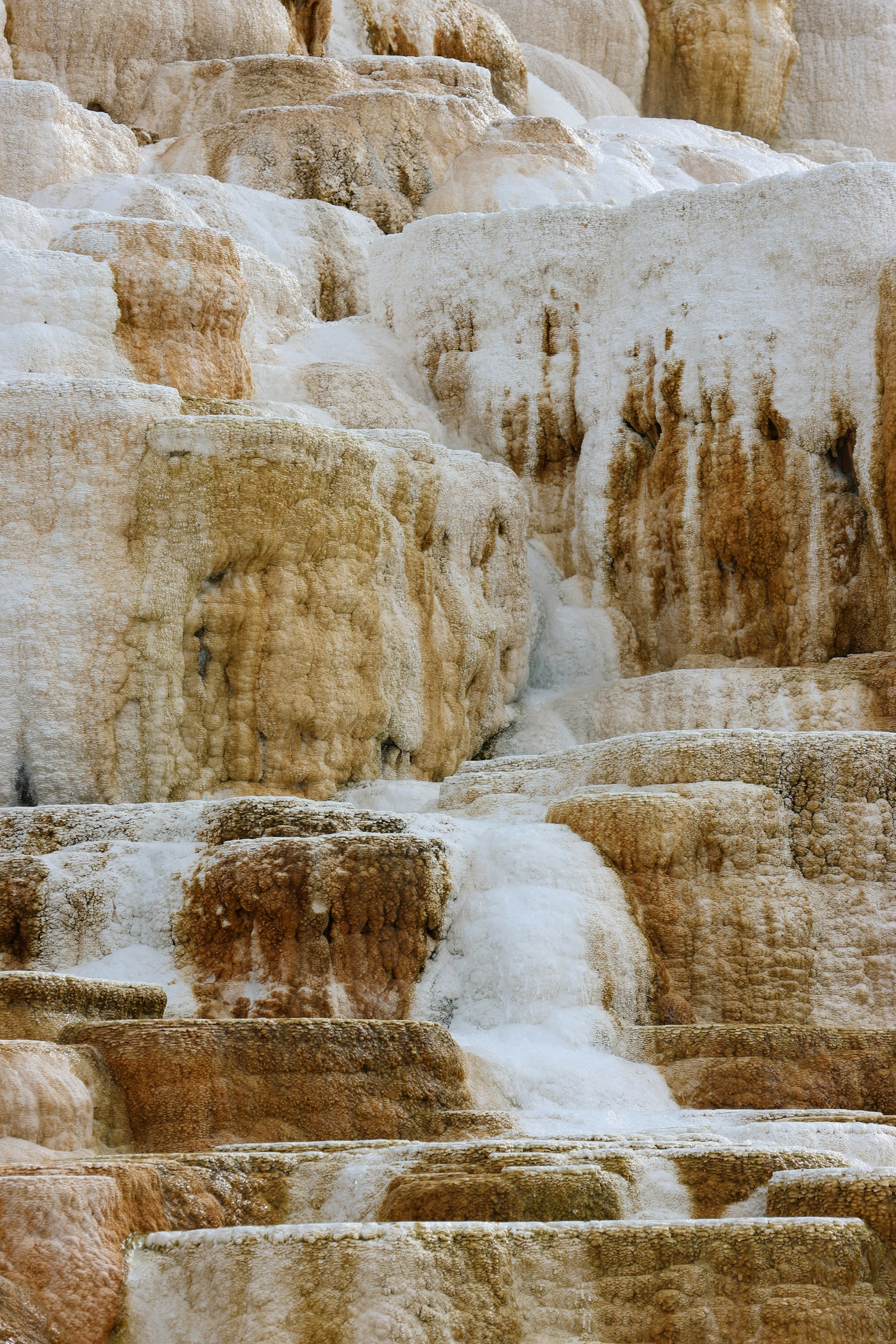
Travertine is a natural limestone formed at warm, mineral-rich springs. As the spring water meets the air, calcium is deposited layer by layer — a process that takes thousands of years. The characteristic pores appear where gas bubbles and plant matter were trapped in the deposits. Today the stone is quarried primarily in Italy (Tivoli gave it its name), Turkey and Iran.
Why is every piece unique?
Because travertine is created by nature’s own processes, no two pieces are alike. The pores, veins and warm tones — from cream to sand to honey — vary from block to block, even from centimetre to centimetre. Not as a flaw. As a reminder that nature never repeats itself.
Travertine in the home
The stone’s matte, tactile surface makes it perfect for the places where the eye rests: a tray on the entryway table, a bowl as a centrepiece, coasters that handle warm cups and everyday life. Travertine pairs beautifully with natural materials — linen, oak, ceramics and wool.
How to care for travertine
Travertine is a limestone and therefore sensitive to acid: citrus, wine and vinegar can etch the surface. Wipe with a soft, slightly damp cloth, avoid abrasive sponges, and let the stone dry after contact with water. Over time the surface develops a quiet patina — most people find the stone grows more beautiful with age.
Travertine at AORI
At AORI we work with solid travertine, cut and honed into simple, sculptural forms. See the full travertine collection here — every piece with its own pores, its own veins, its own story.

