
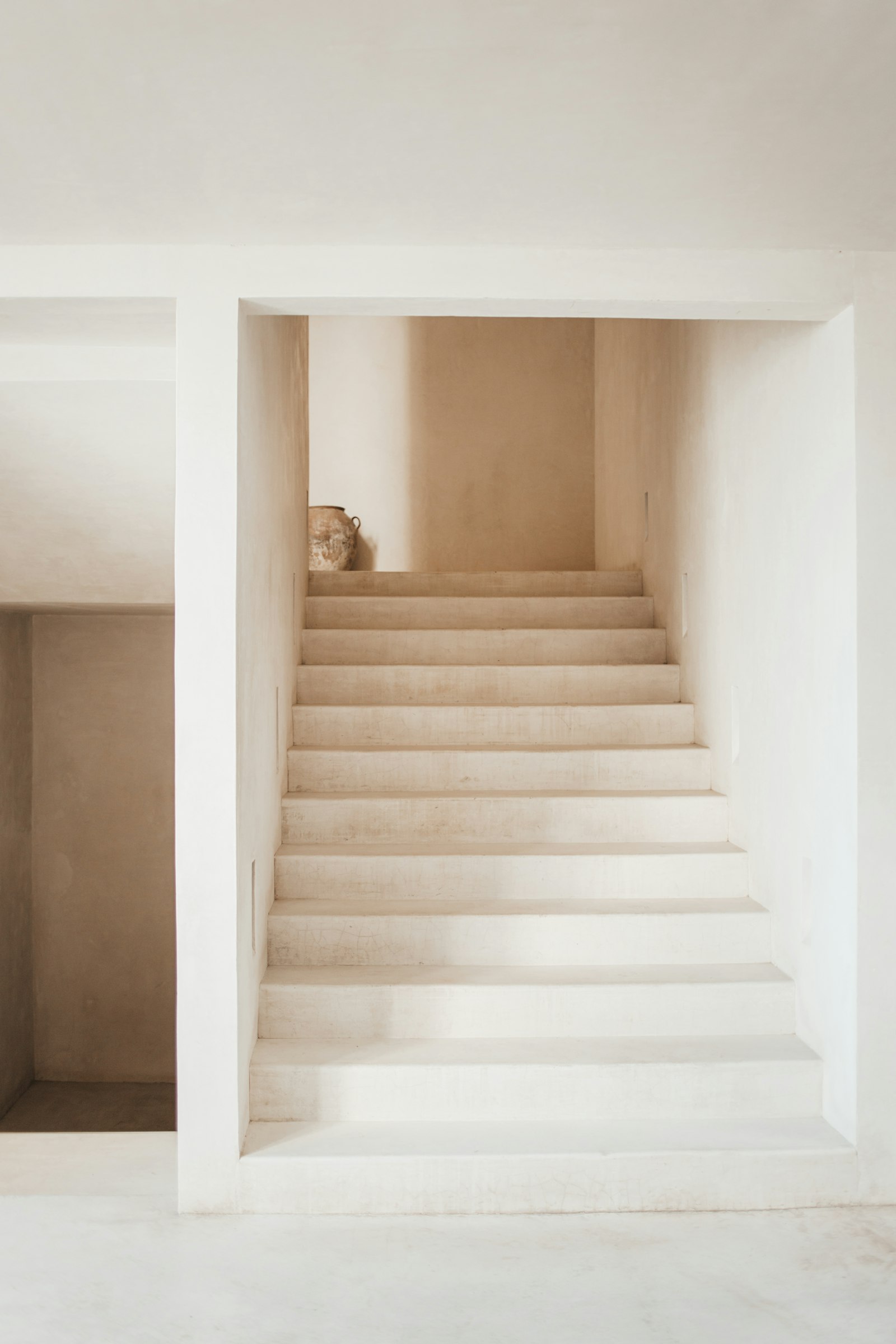
Wabi-Sabi, Japandi and Warm Minimalism — What Is the Difference?
Short answer: Wabi-sabi is a Japanese aesthetic finding beauty in imperfection and impermanence. Japandi is a hybrid of Japanese and Scandinavian design — functional simplicity in light tones. Warm minimalism softens minimalism’s clean lines with warm colours and natural materials. They overlap — but start from different places.
Wabi-sabi: the beauty of imperfection
A centuries-old Japanese philosophy: nothing lasts, nothing is finished, nothing is perfect — and precisely that is beautiful. In interiors it means patina, handmade objects, natural materials that age visibly, and asymmetry. The pores of a travertine tray are wabi-sabi in practice.
Japandi: Japan meets Scandinavia
A newer direction uniting Japanese zen simplicity with Scandinavian warmth and function: light wood, clean lines, low furniture, neutral palette. More design-driven and “finished” than wabi-sabi — less patina, more precision.
Warm minimalism: minimalism with a pulse
The answer to the cold white minimalism of the 2000s: the same edited simplicity — fewer, better things — but in warm earth tones and tactile materials such as linen, wool, untreated wood and natural stone.
Which should you choose?
You don’t have to choose. All three share the core: fewer things, nature’s materials, calm as the goal. At AORI we borrow from all three — nature’s imperfection from wabi-sabi, simplicity from japandi, warmth from warm minimalism.
Written by AORI Copenhagen · Updated 19 August 2026
Also read Create a calmer home or see the travertine collection.

