
How to Care for Travertine — Cleaning, Stains and Food Safety
Short answer: Care for travertine by wiping with a soft, slightly damp cloth and drying afterwards. Avoid acidic products (citrus, wine, vinegar) and abrasive sponges. Let the stone dry after contact with water, and allow the patina to develop naturally.
Below are the most common questions about travertine care — answered from our experience with solid, hand-finished stone.
How do you clean travertine day to day?
Wipe with a soft cloth dampened with lukewarm water, and always dry afterwards. If needed, use a drop of pH-neutral soap — never limescale removers, vinegar or citrus-based cleaners, as the acid etches the limestone surface and leaves dull marks.
Can travertine handle water?
Yes, briefly. Travertine is porous, so standing water can soak in and leave dark marks, which usually disappear as the stone dries. Wipe the stone after contact with water and let it air-dry fully before placing it on wooden surfaces.
Is travertine food safe?
Dry foods such as bread, fruit with peel and nuts are unproblematic. Avoid direct contact with acidic foods and liquids — lemon, tomato, wine and vinegar — which can etch the surface. Use a plate or dish as a barrier for moist or greasy foods.
How do you treat stains?
Blot the stain as quickly as possible with a damp cloth — do not rub. Grease stains can often be drawn out with potato starch or baking soda left on for a few hours and then brushed away. Avoid bleach and harsh chemicals; a mild pH-neutral soap solution is the strongest thing the stone should meet.
Should travertine be sealed?
For decorative objects it is not necessary — we recommend leaving the stone untreated so it develops a natural patina. For extra protection in bathrooms, a colourless limestone sealer can be used; follow the manufacturer’s instructions and test on the underside first.
Does travertine age?
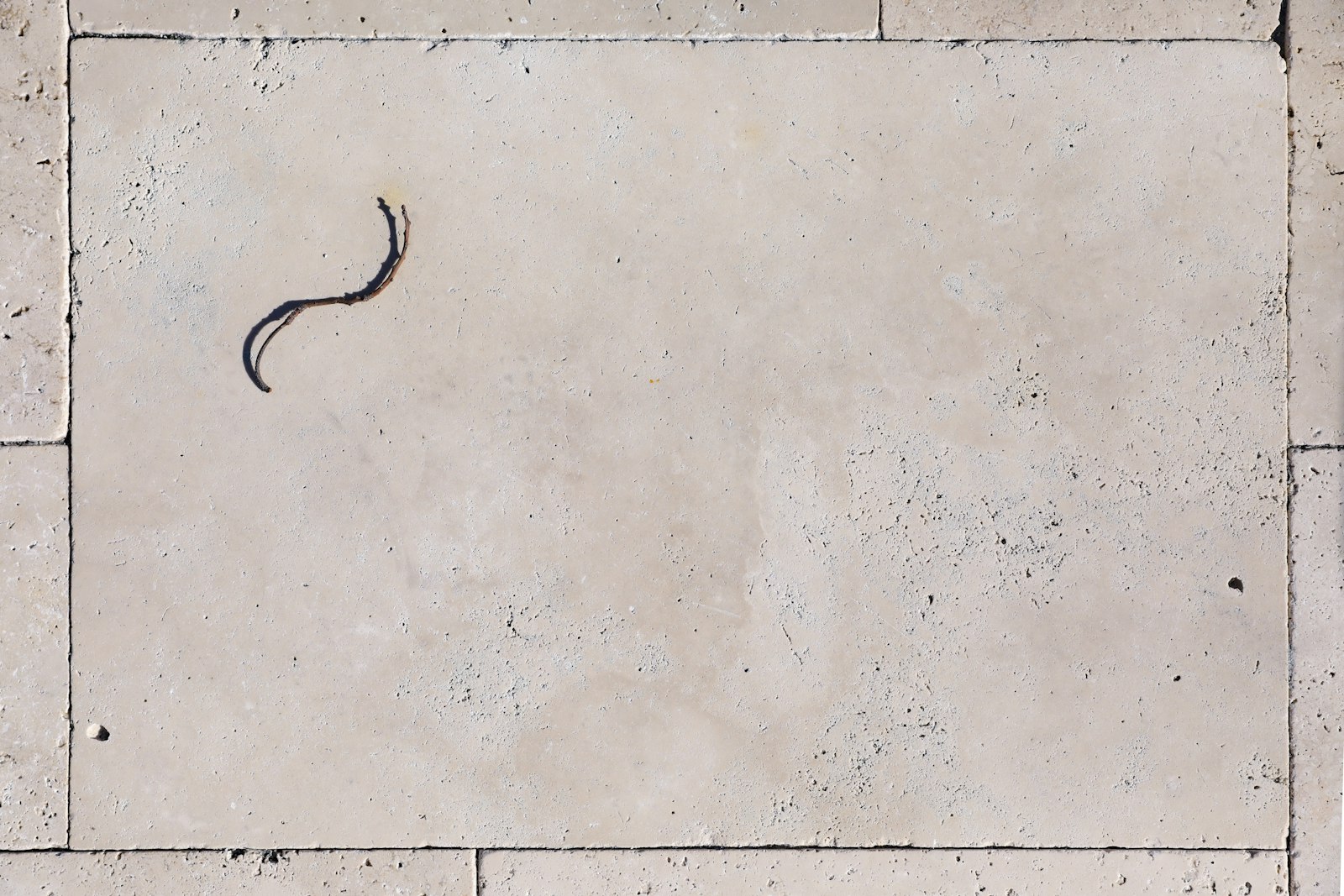
Yes — beautifully. The surface deepens slightly in tone over the years and absorbs the traces of everyday life as a quiet patina. Pores, veining and colour variation are natural characteristics of genuine travertine, not defects: no two pieces are alike.
Written by AORI Copenhagen · Updated 30 July 2026
Also read: What is travertine? The complete guide — or see our collection in solid travertine.

